Privacy is the foundation


People use Wispr for their most personal and confidential work — their email, their messages to a co-founder, the prompt they're refining before it goes to a model, a text to their partner. I use it the same way every day. Over time it stops being a tool you reach for and becomes something closer to a companion. It sees a lot of what you're thinking before anyone else does.
That's a serious thing to be trusted with, and it's why we built Wispr on privacy from the very first version.
We're at the start of a long stretch where people will think out loud to software every day. The habits the industry sets now — about what these systems keep, and who gets to see it — will be hard to undo later. I'd rather we set them carefully.
The industry default is backwards
Most AI tools train on what you say, and they do so without clearly informing you. ChatGPT uses your conversations to improve its models unless you go and change it, and even after you do, it can hold onto your chats for a while. Voice assistants have been worse — Alexa has stored people's recordings, with the setting to turn it off buried and reviewers sometimes listening to them.
The pattern is the same everywhere. Collection happens automatically, the disclosure is technically there but hard to find, and it's left to you to figure out what's happening with your data. I don't think that's right. When a product handles input this sensitive, you should be in control of your data from the start and not have to dig for the private option.
What we do instead
Wispr gives you upfront control over your data. Every person who uses Wispr can control whether your data is used to improve or train AI models. It’s available on every plan, including the free one, and we show it to you during onboarding so you can decide for yourself. When you opt out of sharing data, your dictation is processed in memory and never stored by us or anyone else, and it’s never used to train a model. Anything kept stays on your own device, and you can delete it whenever you want.
We also publish how the whole system works — where data goes, what we store and what we don't, who our subprocessors are, and what controls exist. You can read all of it and check it for yourself.
Why this matters at our scale
This stopped being abstract a while ago. Millions of people and tens of thousands of organizations now use Wispr across work messaging, email, prompting, and their personal lives. When something is used that widely and that closely, trust is the product.
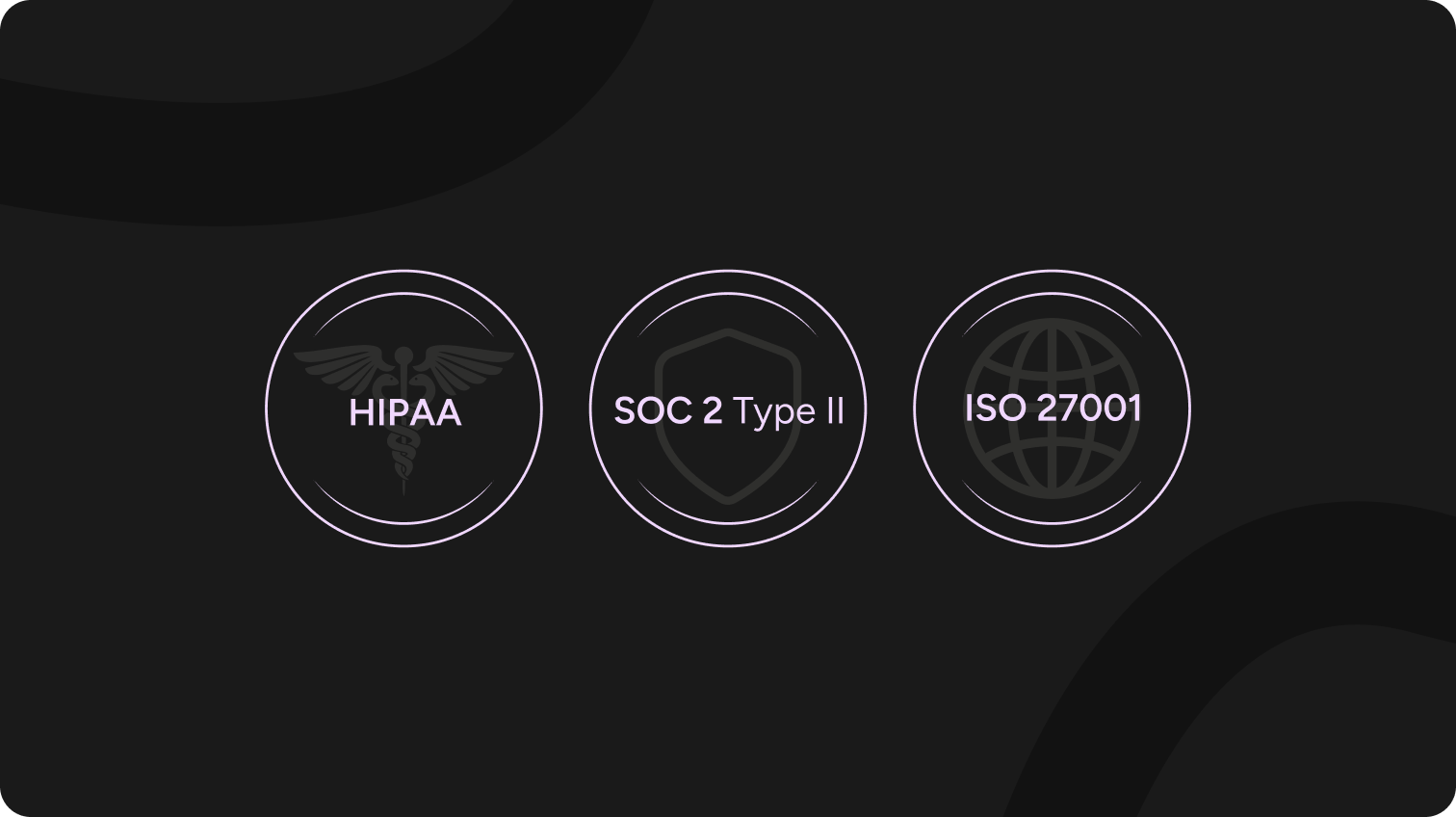
It's also why Wispr is deployed and approved by the security teams at banks, large financial institutions, law firms, and hospitals — some of the most regulated environments there are. Those teams go through the architecture in detail before they approve anything. Clearing that bar where the stakes are highest is the clearest evidence I can give that the foundation holds.
We chose this on Day 0
None of this was retrofitted once enterprises started asking, or added under pressure. We prioritized privacy in the first version of the product, before we had a customer to satisfy or an auditor to answer to, because it was the right way to build something people trust with this much of their lives.
As Flow has grown, we've made these controls more granular, giving you independent choices over training and storage rather than a single toggle — but the principle hasn't changed. You should know exactly what happens to your data and be able to control it yourself.
What I believe is straightforward: any company that wants to sit this close to people's work should give you upfront control of your privacy, be open about how it handles data, and be willing to be checked on it. We're trying to show that's possible — and that you don't have to give up privacy to get a product that's actually good.
If we get this right, people can say what they mean to the tools they use every day without stopping to wonder what it costs them later. That's worth building carefully, and it's the company we're building.


Privacy wasn't retrofitted — it was the foundation


.png)